What to Look for in a Roofing Contractor in Florida
Florida's weather is famously unpredictable. One day the sun is blazing, and the next a tropical storm is rolling in. That kind of climate puts a lot of stress on roofs. Homeowners and commercial property managers alike need a roofing contractor who understands the local conditions, knows the building codes, and can handle everything from a minor leak to full storm damage restoration. But finding someone reliable takes more than a quick online search. You need to know what questions to ask and what to look for before you sign any paperwork.
Understanding the Local Climate Demands
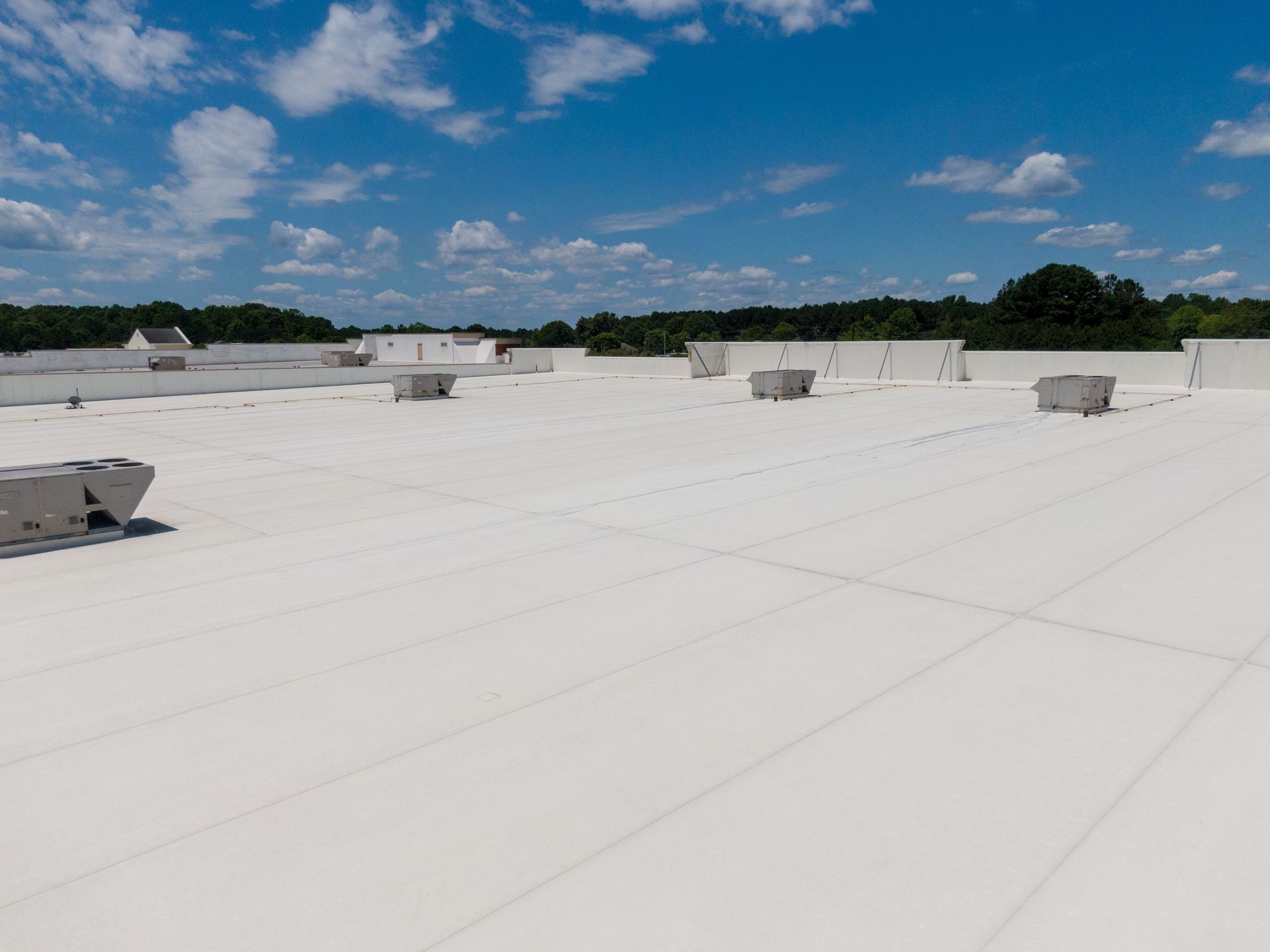
Roofing systems in northern Florida face a set of challenges that are different from what you see in other parts of the country. Intense sun, high humidity, and the constant threat of hurricanes mean materials and installation methods have to be chosen carefully. Asphalt shingles, for example, are a common choice because they hold up well against wind-driven rain. Metal roofing can also perform well, especially on commercial buildings, but it requires proper ventilation underneath to prevent condensation and heat buildup. Flat roof systems, often seen on commercial properties, need durable membranes and good drainage to avoid ponding water that can lead to leaks.
An experienced contractor will take these factors into account during a roof inspection. They will look at the slope, the existing decking, and the overall condition of the flashing and vents. They will also check for signs of poor ventilation, which can cause premature aging of shingles and higher energy bills. A thorough inspection is the foundation of any good repair or replacement job, so do not skip this step.
Key Services to Expect
Not every roofer offers the full range of services you might need. Some specialize only in residential shingle work, while others handle large commercial projects. When you are evaluating a Florida roofing contractor, look for someone who can provide roof repair, replacement, inspection, and storm damage restoration. That kind of breadth usually means the company has experience with different materials and techniques, and they can adapt to whatever a property requires.

Roof repair can be as simple as patching a small leak or as involved as replacing a section of decking that has rotted from years of moisture. Roof replacement is a bigger job, often needed when the existing system is near the end of its life or has been damaged beyond repair. A good contractor will walk you through the options, explaining the pros and cons of each material for your specific situation.
Storm damage restoration is a different kind of service. It often comes with urgency. After a hurricane or severe thunderstorm, the priority is to get the building watertight as quickly as possible. A contractor who offers this service should be able to respond fast and coordinate with your insurance company. They should also know how to handle temporary repairs like tarping while planning a permanent fix.
What to Check in a Contractor's Background
You would not hire someone to work on your roof without doing some homework first. Here are a few things to verify before you commit:
- Licensing and insurance. Florida requires roofing contractors to hold a state license. Ask for their license number and verify it online. They should also carry liability insurance and workers' compensation coverage.
- Local experience. A contractor who has worked in northern Florida for years will know the building codes, the common problems with local roof types, and the best suppliers in the area.
- References and past work. Ask for a few recent projects you can look at, preferably homes or buildings similar to yours. A reputable contractor will be happy to share photos or addresses of completed jobs.
- Written estimates. A professional provides a detailed written estimate that breaks down materials, labor, and timeline. Avoid anyone who gives a verbal quote and then changes the price once the work starts.
- Warranty coverage. Understand what kind of warranty the contractor offers on both materials and workmanship. Manufacturer warranties on shingles or metal panels are separate from the contractor's own guarantee.
Red Flags to Watch Out For
Unfortunately, the roofing industry has its share of operators who cut corners. Some warning signs include a contractor who shows up without a license or insurance, demands a large deposit before starting, or pressures you to sign a contract immediately. Another red flag is a contractor who gives a price over the phone without ever inspecting the roof. No two roofs are exactly the same, and a proper estimate requires a site visit.
Also be wary of anyone who offers to handle your insurance claim for you. While some contractors do work with insurers, the decision about what to submit and how to negotiate should remain yours. A trustworthy contractor will give you their assessment and let you handle the insurance side on your own terms.
Materials and Methods That Matter
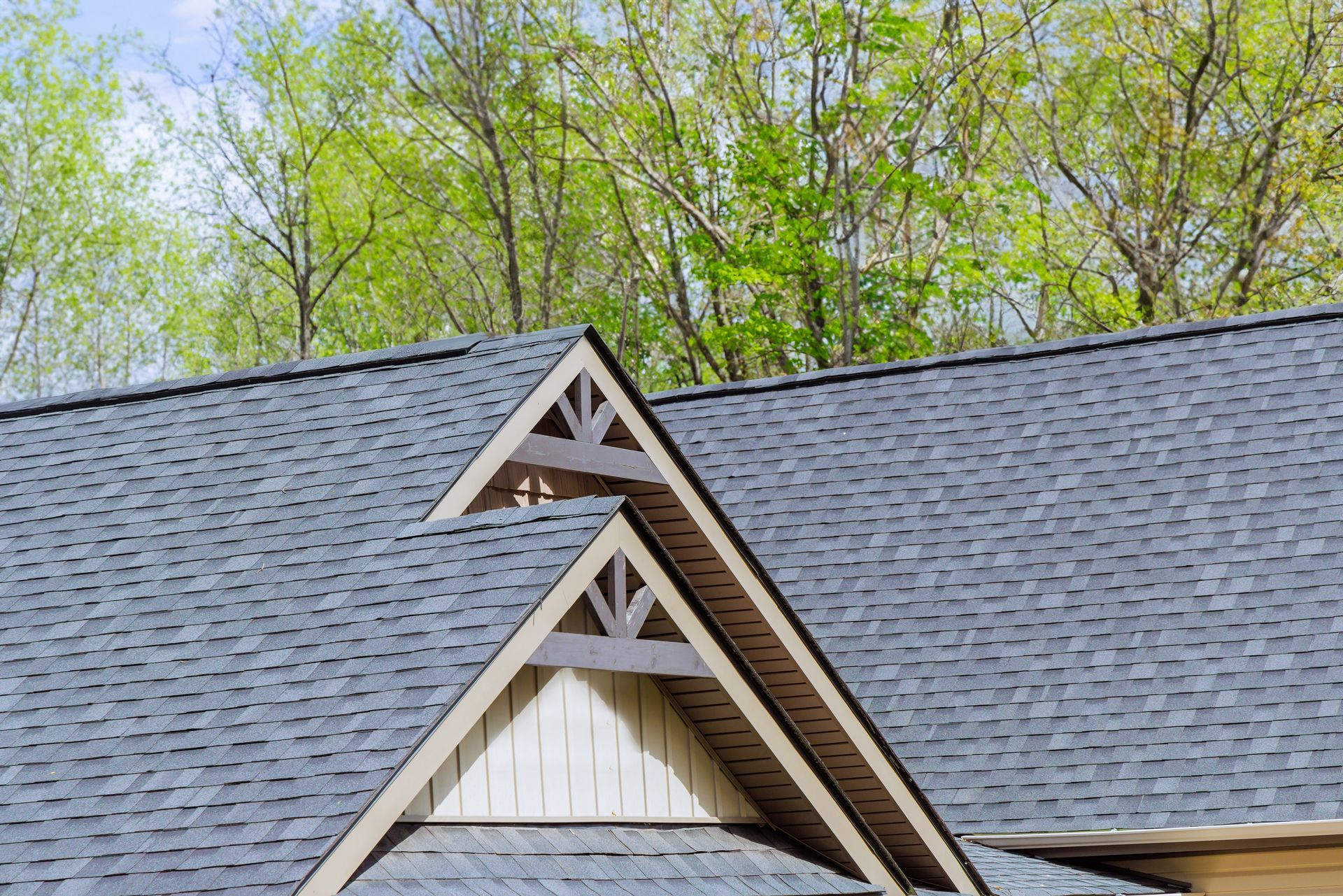
The choice of roofing material depends on the building's structure, the local climate, and your budget. Asphalt shingles are widely used because they are affordable and easy to repair. They come in different grades, and a good contractor will explain which grade suits your home best. Metal roofing, often made of steel or aluminum, is durable and fire-resistant, making it a popular choice for commercial buildings. Flat roof systems, such as modified bitumen or single-ply membranes, require precise installation to avoid leaks. Roof ventilation is an often-overlooked detail. Proper vents allow hot air and moisture to escape from the attic, which can extend the life of the roof and reduce cooling costs.
A skilled Florida roofing contractor will evaluate your specific needs and recommend materials that perform well in the local environment. They will also explain the trade-offs between cost, longevity, and maintenance so you can make an informed decision.
When to Call a Professional
Some homeowners are tempted to climb up and fix a small leak themselves. But roof work is dangerous, and a bad repair can lead to bigger problems down the road. If you notice water stains on your ceiling, missing or curled shingles, or granules from asphalt shingles collecting in the gutters, it is time to call for a roof inspection. After a severe storm, it is wise to have a professional check for hidden damage even if everything looks okay from the ground. Hail can crack shingles, and high winds can loosen flashing without causing an obvious leak right away.
Commercial property owners should schedule regular inspections as part of their maintenance routine. A small issue on a flat roof can turn into a major leak that disrupts business operations. Catching problems early saves money and prevents downtime.
Final Thoughts
Choosing a roofing contractor is not a decision to make lightly. The roof is one of the most important parts of any building, and the work done on it should last for years. Take your time, ask the right questions, and do not settle for a contractor who cannot meet your standards. A reliable professional will be transparent about their process, their pricing, and their timeline. They will also be willing to explain the details so you understand what is being done and why.
By focusing on local experience, proper licensing, and a full range of services, you can find a contractor who will protect your property and give you peace of mind. And when you need a Florida roofing contractor who knows the area and can handle everything from routine repairs to emergency storm damage, you will know exactly what to look for.